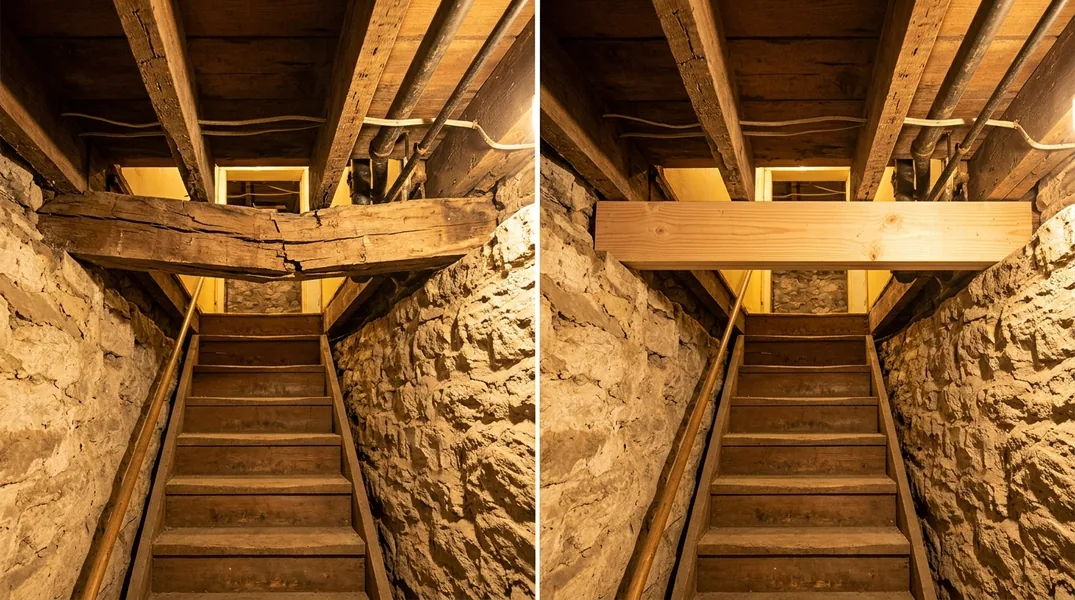
Why Is My Floor Sagging? Common Causes in Older Rochester Homes
If you own an older home in Rochester, a sagging floor is more than just an annoyance. It's a sign that something structural needs attention. The most common culprit behind sagging floors in aging homes is deterioration of the support system beneath your feet, and understanding the root cause is the first step toward fixing it properly.
The primary reason floors sag is compromised floor joists. These horizontal beams, typically made of wood, bear the weight of everything above them. Over decades, especially in Rochester's damp climate, joists can weaken due to Wood Rot & Dry Rot Repair issues. When wood absorbs moisture from basements, crawl spaces, or poor drainage, it begins to decay. The wood loses its structural integrity, and the floor above gradually sinks. Pest damage from Termite Damage Repair can accelerate this problem significantly, as termites tunnel through joists and leave them hollow.
Beyond rot and pests, settling of the home's foundation or undersized support beams can also cause sagging. Older homes sometimes have inadequate support posts or beams that were never designed for modern living loads. If a load-bearing wall was removed improperly or a support post was never installed correctly, the joists above have nothing to lean on. Additionally, water intrusion in basements or crawl spaces creates the perfect environment for wood decay, making moisture control essential to preventing further damage.
The Real Risks of Ignoring a Sagging Floor
A sagging floor might seem like a cosmetic issue, but it's a structural red flag that demands immediate attention. When you ignore sagging, you're allowing the problem to compound. The wood continues to weaken, the sag deepens, and the structural load redistributes unevenly across remaining joists. This can lead to catastrophic failure, where a floor suddenly gives way, creating a safety hazard for anyone in your home.
Beyond safety, a sagging floor signals that moisture and decay are actively destroying your home's skeleton. If the joists are rotting, the subfloor above them is likely compromised too. Mold and mildew thrive in damp, decaying wood, which can trigger respiratory issues for your family. The sag also puts stress on other structural elements like beams, posts, and foundation walls, potentially leading to cracks in your foundation or misaligned doors and windows throughout the house. Insurance companies may also refuse to cover damage if you knowingly neglected a structural defect, and future buyers will demand significant price reductions when they discover the problem during inspection.
Floor Joist Repair and Sistering: How the Fix Works
Floor Joist & Subfloor Repair typically involves one of two main strategies, depending on the extent of the damage. The first and most common approach for partially compromised joists is sistering. Sistering involves bolting a new pressure-treated or solid wood beam alongside the damaged joist, effectively doubling the support and redistributing the load. This method is ideal when the original joist still has some structural capacity but needs reinforcement. The new sister beam is fastened securely with bolts or lag screws spaced every 12 to 16 inches, creating a composite beam that's stronger than either piece alone.
The second approach is full joist replacement. When rot or damage has consumed more than about 30 percent of a joist's cross-section, sistering may not be sufficient. In these cases, the damaged joist must be removed and replaced entirely. This is more invasive and typically requires temporary support beams to hold up the floor while work proceeds. The old joist is cut out in sections, and a new pressure-treated beam is installed in its place, secured to the rim joist and any support posts below. Both methods require precise measurement and alignment to ensure the floor returns to level and the load is properly supported.
The choice between sistering and replacement depends on the severity of decay, the joist's original size, and the overall structural needs of your home. A qualified carpenter will assess the damage carefully before recommending the best solution. This is why getting a professional inspection is so important before attempting any repair yourself.
Sagging Floor Repair Cost in Rochester: What to Budget
When homeowners ask about pricing for sagging floor repairs, the answer depends on several variables. The scope of damage, the number of joists involved, accessibility of the crawl space or basement, and whether you need temporary support all factor into the final bill. A single sistered joist might cost anywhere from 1,500 to 3,500 dollars, while a full joist replacement can run 2,500 to 5,000 dollars or more per joist. If multiple joists are affected, costs multiply accordingly. Some homes need work on four to eight joists, which can easily push total repair costs into the 15,000 to 40,000 dollar range.
If the sagging is caused by an undersized or failed support beam, you may also need Beam Replacement & Load-Bearing Wall Removal services, which adds significant expense. Beam replacement alone can cost 5,000 to 15,000 dollars depending on the span and load. Temporary support systems, which are essential during repairs, typically run 1,000 to 3,000 dollars. If extensive water damage or mold remediation is needed, budget even more. The good news is that addressing the problem early prevents exponentially higher costs down the road. A floor that's barely sagging is cheaper to fix than one that's collapsed halfway.
To get an accurate estimate for your specific situation, Rochester Carpentry recommends a thorough inspection by a licensed carpenter. Every home is different, and pricing varies based on real conditions found on-site. Don't rely on generic online calculators. Call Rochester Carpentry at (585) 659-1882 or request a free estimate so you know exactly what you're facing and what repairs will cost.
Preventing Future Sagging: Moisture Control and Maintenance
The best defense against sagging floors is prevention. Since moisture is the enemy of wood joists, controlling dampness in your basement or crawl space is essential. Install and maintain gutters and downspouts to direct water away from your foundation. Grade the soil around your home so water slopes away, not toward the house. If you have a crawl space, consider installing a vapor barrier on the ground and ensuring proper ventilation. In basements, use a dehumidifier to keep humidity below 60 percent, and address any water seepage immediately.
Regular inspections catch problems early. Walk through your basement or crawl space at least once a year, looking for soft spots in joists, discoloration, or musty odors. These are all signs of moisture intrusion or early rot. If you notice any sagging in your floors, or if doors and windows start sticking where they didn't before, have a professional inspect the structure right away. The sooner you catch decay, the less extensive and expensive the repairs will be.
Proper ventilation and drainage are your allies. Keep gutters clean, repair roof leaks promptly, and ensure your HVAC system is functioning properly to manage indoor humidity. If you live in an older home with a basement or crawl space, these maintenance habits will add years to the life of your joists and help you avoid the costly nightmare of sagging floors.
Floor Joist & Subfloor Repair Near Me: When to Call a Professional
If you suspect your floors are sagging, don't wait. Contact Rochester Carpentry to schedule an inspection and get a clear picture of what's happening beneath your feet. Attempting to repair floor joists yourself is not recommended. This work requires temporary support systems, precise measurements, structural knowledge, and proper permits. A mistake can compromise your home's safety and create liability issues. Licensed professionals have the tools, experience, and insurance to do the job right.
Rochester Carpentry serves homeowners throughout the region with honest assessments and quality repairs. When you call (585) 659-1882, you'll speak with someone who understands the unique challenges of older homes in our area. We'll inspect your floors, identify the root cause of the sagging, and recommend the most cost-effective solution. Whether you need sistering, joist replacement, or addressing the underlying moisture problem, we handle it all. Request your free estimate today and take the first step toward a safe, level floor and peace of mind.
Looking for a professional carpentry contractor in Rochester? Rochester Carpentry responds fast for all your carpentry needs.
Get a Free QuoteOur services: Wood Rot & Dry Rot Repair · Termite Damage Repair · Floor Joist & Subfloor Repair