The Charm and Challenge of Rochester's Historic Homes
If you own a Victorian on East Avenue or a Foursquare on Park Avenue, you live in one of Rochester's most beautiful neighborhoods. These homes, many built between 1880 and 1920, have architectural character that new construction simply cannot replicate. Original hardwood floors, plaster crown molding, wraparound porches, and solid wood framing tell the story of craftsmanship from a different era. But here's the honest truth: that charm comes with a maintenance responsibility that modern homeowners often underestimate.
Historic home ownership in Rochester is deeply rewarding, but it requires a different mindset than caring for a 1990s suburban ranch. These structures have survived over a century of New York winters, aging plumbing systems, and the natural settling that comes with age. The wood that makes these homes special is also the wood most vulnerable to moisture, decay, and structural failure if neglected. Understanding what to watch for and when to act is the difference between a home that appreciates in value and one that becomes a financial burden.
Understanding Wood Rot in Historic Homes
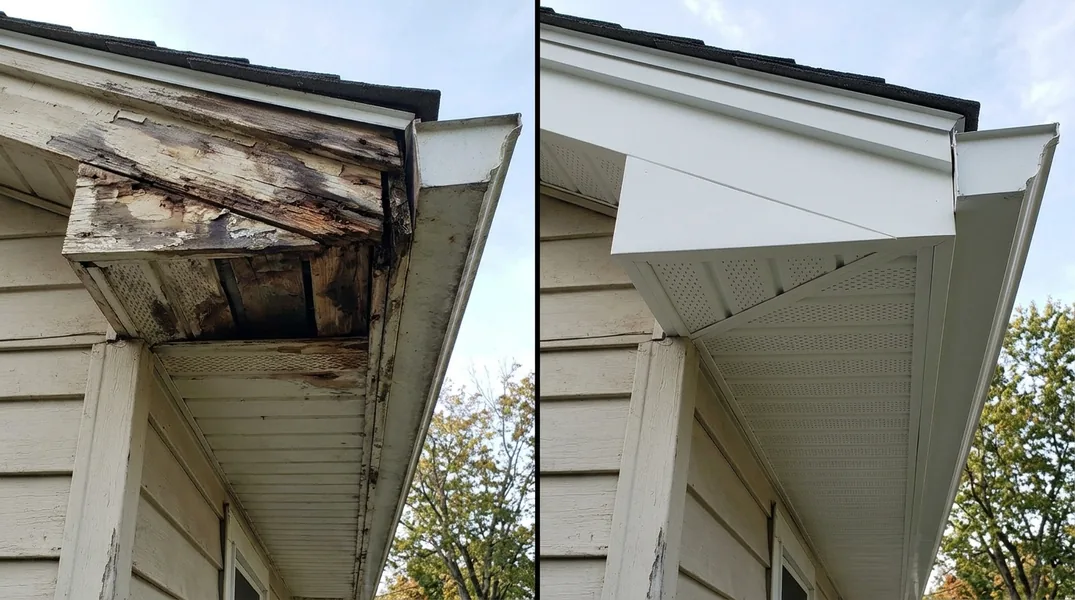
Wood rot comes in two main forms: dry rot and wet rot. Both are caused by fungal decay, but they thrive in different conditions. Wet rot requires constant moisture exposure and typically appears in areas where water penetrates the structure, such as around window frames, under eaves, or in basement rim joists. Dry rot, despite its name, also needs some moisture to start, but it spreads more aggressively and can travel through wood even after the moisture source is gone. For homeowners in Rochester, the freeze-thaw cycle and heavy spring snowmelt create ideal conditions for both types to develop.
The reason historic homes are particularly vulnerable is their construction method. Victorian and Foursquare homes were built with dimensional lumber that was often larger and slower-growing than modern wood, which made it stronger but also more susceptible to deep fungal penetration. Many of these homes also lack the waterproofing standards we take for granted today. Original wood siding, while beautiful, can trap moisture if not properly maintained. Wood Rot & Dry Rot Repair in older homes isn't just cosmetic work; it's structural preservation. Ignoring early signs of decay can lead to compromised joists, failing beams, and foundation issues that cost tens of thousands to address.
Wood Siding Repair and Prevention: Your First Line of Defense
The exterior of your home is its primary defense against the elements. For Victorian and Foursquare homes, original wood siding is often one of the most distinctive features. However, wood siding requires regular maintenance that many homeowners don't budget for. Paint failure is the first warning sign. When paint cracks, peels, or flakes, water begins to penetrate the wood beneath. Within months, you can have soft spots, discoloration, and the beginning stages of rot. Wood siding repair should start with preventive maintenance: inspecting siding annually, addressing paint failure immediately, and ensuring gutters and downspouts direct water away from the foundation.
If you're discovering rot in your siding, the extent of damage determines your options. Surface-level rot can sometimes be addressed through localized repair and repainting. However, if the rot has penetrated deeply into the board or spread across multiple sections, board replacement is often the more cost-effective and durable solution. This is where working with experienced carpenters matters. They can match original siding profiles, maintain the historical integrity of your home, and ensure repairs are done with proper flashing and caulking to prevent future problems. Rochester Carpentry specializes in exactly this kind of detailed restoration work for historic homes.
When Foundation and Structural Issues Emerge
Historic homes sometimes develop more serious wood damage below the visible surface. Rot in floor joists, rim joists, or the wood beams that support your home is not something you can ignore. Signs include soft or bouncy floors, visible mold or discoloration in the basement, a musty smell, or visible deterioration on exposed wood in crawl spaces. Many homeowners discover these problems only when they're already advanced. Floor Joist & Subfloor Repair requires careful assessment because these elements are load-bearing. Replacing or reinforcing them incorrectly can cause structural settling or cracking in walls and plaster.
If your home has significant structural wood damage, professional evaluation is not optional. A carpenter experienced in historic homes will assess whether the damage is localized or widespread, whether temporary support is needed during repair, and what the best repair method is. In some cases, Beam Replacement & Load-Bearing Wall Removal may be necessary. These are complex projects that require proper sequencing, building permits, and sometimes engineering consultation. The cost is significant, but the alternative is a home with compromised structural integrity that becomes unsellable and unsafe.
Historic Home Maintenance: Prevention Over Crisis
The most honest advice for Victorian and Foursquare homeowners is this: invest in prevention now or pay for emergency repairs later. A regular maintenance schedule costs far less than structural restoration. Start with the basics. Keep your gutters clean so water flows away from the house. Inspect your roof annually and repair missing or damaged shingles promptly. Check caulking around windows and doors, and recaulk when it cracks. Paint your wood siding every 5 to 7 years, or sooner if you notice paint failure. Grade your landscape so water slopes away from the foundation, not toward it. Ensure your basement or crawl space has adequate ventilation and no standing water.
Beyond these basics, schedule professional inspections every 2 to 3 years, especially for older homes. A trained eye can spot early rot, moisture problems, and pest damage before they become catastrophic. This is particularly important in areas prone to water intrusion, such as around chimneys, under eaves, and at the foundation line. Many homeowners in Rochester wait until they notice obvious problems before calling a carpenter. By then, the damage has often spread beyond the visible area. Early intervention, guided by professional assessment, saves money and preserves your home's structural integrity and value.
Getting Professional Help: What to Expect
When you suspect wood rot, structural damage, or siding problems in your historic home, the first step is a thorough inspection and honest assessment. Rochester Carpentry offers a free estimate for homeowners in the area. During this consultation, a carpenter will examine the affected areas, identify the cause of the problem, and discuss repair options with you. They'll explain what needs to be done, why, and what it will cost. Transparent communication is essential because historic home repair is not one-size-fits-all. Your Foursquare on Park Avenue may need a different approach than your neighbor's Victorian.
When you're ready to move forward, ask your contractor about their experience with historic homes specifically. Restoration work requires knowledge of original materials, methods, and architectural details. It also requires patience and precision that differs from standard new construction carpentry. If you'd like to discuss your home's condition and explore your options, contact Rochester Carpentry at (585) 659-1882 or request a free estimate online. Protecting your historic home is an investment in its future and your peace of mind.
Looking for a professional carpentry contractor in Rochester? Rochester Carpentry responds fast for all your carpentry needs.
Get a Free QuoteOur services: Wood Rot & Dry Rot Repair · Termite Damage Repair · Floor Joist & Subfloor Repair