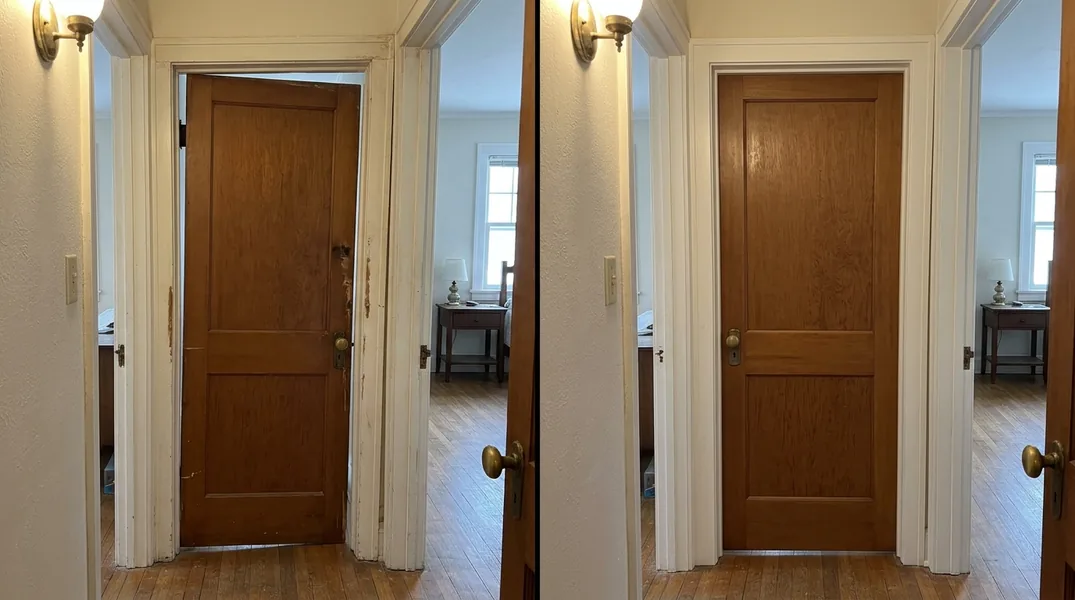
Understanding Lead Paint in Older Rochester Homes
If your home in Rochester was built before 1978, there is a significant chance that the trim, windows, doors, and other wooden surfaces contain lead-based paint. The U.S. Environmental Protection Agency (EPA) banned consumer use of lead-based paint in 1978 due to its severe health risks, but homes constructed before that date remain potential sources of lead exposure. This is particularly concerning for families with young children, as lead poisoning can cause developmental delays, learning disabilities, behavioral problems, and other serious health complications.
Lead paint deteriorates over time, especially on exterior trim and woodwork that faces weather exposure. As the paint chips, peels, or is sanded during renovation work, lead dust becomes airborne and can be inhaled or ingested. Many homeowners in Rochester don't realize that improper removal of lead paint can actually increase contamination in their homes rather than eliminate it. This is why hiring a certified, lead-safe carpentry professional is not just a recommendation, it's a necessity for protecting your family's health.
What Is Lead-Safe Carpentry and Why It Matters
Lead-safe carpentry refers to renovation, repair, and removal work performed according to EPA Renovation, Repair, and Painting (RRP) Rule standards. This comprehensive approach goes far beyond simply wearing a mask and hoping for the best. Lead-safe practices include containment of work areas, use of specialized equipment like HEPA vacuums, proper disposal of lead-contaminated materials, and thorough cleanup to prevent dust from spreading throughout your home. When you hire an EPA RRP contractor in Rochester, you're investing in a methodical, science-based approach that protects your family, your property, and the environment.
The difference between standard carpentry and lead-safe carpentry is substantial. A contractor who is not trained in lead-safe practices might remove old trim or paint using techniques that generate dangerous lead dust. They may not properly contain the work area, may use inadequate personal protective equipment, and could leave lead residue on surfaces throughout your home. An EPA RRP certified contractor, by contrast, follows strict protocols that have been proven to minimize lead exposure. They understand how to identify lead paint, safely contain and remove it, and restore your home without creating a health hazard. This expertise is essential when dealing with Wood Rot & Dry Rot Repair projects in older homes, where lead paint and wood damage often occur together.
EPA RRP Certification: What Every Rochester Homeowner Should Know
The EPA Renovation, Repair, and Painting Rule requires that any contractor performing renovation, repair, or painting work that disturbs lead-based paint in homes built before 1978 must be certified and follow specific work practices. This regulation applies to most residential properties, rental units, and child-occupied facilities. An EPA RRP contractor has completed training, passed a certification exam, and maintains compliance with ongoing requirements. When you hire an EPA RRP certified professional for lead paint trim removal or other carpentry work, you have assurance that they understand the science of lead contamination and know how to prevent it.
Not all contractors are EPA RRP certified, and some may not even mention lead paint as a concern. This is a major red flag. If a contractor cannot provide proof of certification, they are not legally authorized to perform lead-disturbing work. Hiring an uncertified contractor not only puts your family at risk, it may also expose you to liability issues and potential fines. When you contact Rochester Carpentry at (585) 659-1882, you can ask about our specific protocols for lead-safe work. A reputable contractor will be transparent about their qualifications and eager to explain how they protect your family during every phase of the project.
Lead Paint Trim Removal: The Safe Process Explained
Removing lead paint from old trim requires a carefully orchestrated process that begins long before any paint is disturbed. A certified lead-safe carpentry professional will first conduct a thorough inspection to identify all surfaces containing lead paint. This may include window frames, door trim, baseboards, crown molding, and other wooden elements common in older Rochester homes. Once lead paint is confirmed, the contractor develops a containment strategy specific to your home's layout and the scope of work. This might involve sealing off the work area with plastic sheeting, using negative air pressure systems, and establishing clear zones to prevent lead dust from migrating to other parts of your home.
During removal, lead-safe contractors use methods that minimize dust generation. This might include wet sanding, chemical stripping, or careful hand scraping rather than power tools that create airborne particles. All debris is contained and disposed of according to EPA guidelines, not simply thrown in a dumpster where it could contaminate the environment. After removal is complete, the work area is cleaned multiple times using HEPA vacuums and wet wipes to ensure no lead dust remains. The final step includes clearance testing to verify that lead levels have been reduced to safe standards. This comprehensive approach takes longer and costs more than cutting corners, but it is the only responsible way to handle lead paint removal in your home.
Combining Lead-Safe Work with Wood Rot Repair Near Me
Many homeowners in Rochester face a double challenge: old trim with lead paint that is also suffering from wood rot or water damage. These problems often occur together because the same age and weather exposure that created the lead paint hazard also created conditions for wood decay. When you need both lead paint removal and Wood Rot & Dry Rot Repair, it is critical to hire a contractor who can handle both safely and effectively. Attempting to address these issues separately, or with different contractors, can lead to complications, inconsistent results, and unnecessary expense.
Rochester Carpentry specializes in integrated solutions that address lead paint concerns alongside structural wood repairs. Our EPA RRP certified team can remove deteriorated, lead-painted trim, repair or replace damaged wood, and install new trim or restoration materials that will last for decades. We understand the unique challenges of older homes in the Rochester area, where weather, age, and deferred maintenance often combine to create complex problems. By choosing a contractor who is experienced in both lead-safe practices and wood repair, you ensure that your project is completed correctly the first time, protecting both your family's health and your home's structural integrity.
Taking the First Step: Getting Your Lead-Safe Carpentry Assessment
If you own an older home in Rochester and are concerned about lead paint on trim or other wooden surfaces, the first step is to have a professional assessment. This doesn't require panic or expensive testing of every surface. A qualified contractor can visually inspect your home, identify areas of concern, and recommend appropriate next steps. Some work may require full lead-safe protocols, while other areas may not disturb lead paint at all. Understanding the scope of the issue allows you to make informed decisions about your home and your family's safety.
Rochester Carpentry is ready to help. We invite you to contact us for a free estimate or call us at (585) 659-1882 to discuss your home's needs. Our team will answer your questions about lead paint, explain our lead-safe carpentry process, and provide you with transparent pricing for the work you need. Don't let concerns about lead paint delay necessary repairs to your home. With the right contractor by your side, you can address these issues safely, responsibly, and with complete peace of mind.
Looking for a professional carpentry contractor in Rochester? Rochester Carpentry responds fast for all your carpentry needs.
Get a Free QuoteOur services: Wood Rot & Dry Rot Repair · Termite Damage Repair · Floor Joist & Subfloor Repair